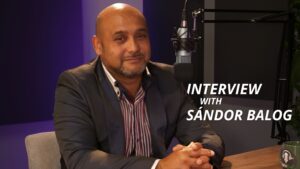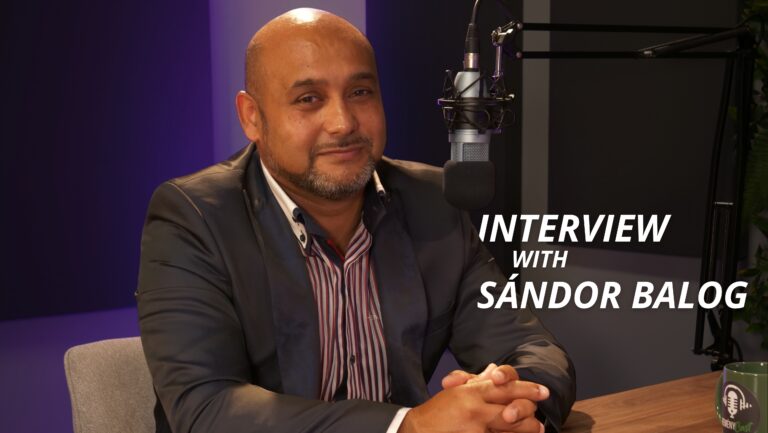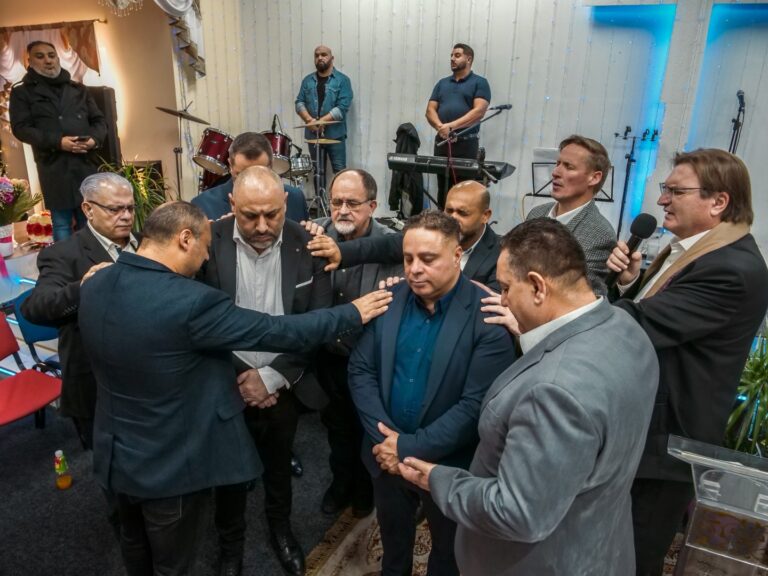

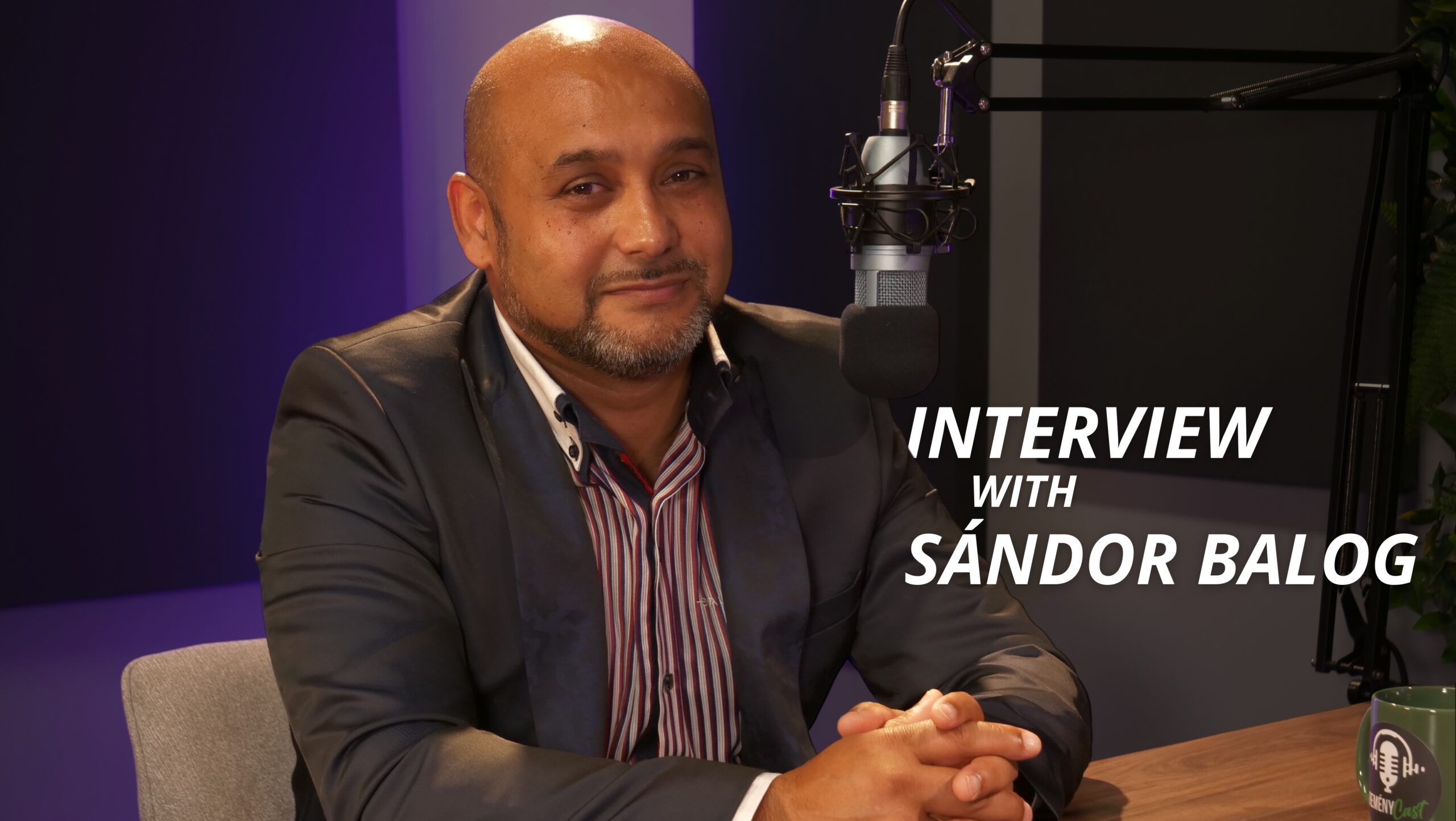
Sándor Balog endured extremely difficult circumstances from a young age. Today, he serves as a pastor and national presbyter of the Hungarian Gypsy Missions International. He became involved in drug use early in life, and later, due to a gambling addiction, he and his family ended up living on the streets. The turning point came when God spoke to him and delivered him from his former way of life.
The goal of the Reménycast podcast is to offer help and hope through real-life stories to those who feel their situation is hopeless, and to demonstrate the kind of transformation God’s supernatural power can bring. Stay with us!
Thank you very much for accepting our invitation. You came from Kunágota—were you born there as well? Please tell us about the circumstances in which you grew up.
I am from Kunágota, but I was born in Debrecen. I consider myself a boy from the Bihar region, though we later moved to Kunágota. I come from a merchant family—my grandparents worked in the markets and were involved in feather trading—so we always had a source of income, although we lived modestly. My grandparents supported us greatly. We lived in a small pantry room in a shared courtyard with my two younger sisters.
My parents divorced when I was six. The court awarded custody to my father, and I lived with him until I was around eight or ten years old. Although he tried to provide for us, he lived a lifestyle filled with nightly partying and nightlife—things a child should never be exposed to. Eventually, I followed the same path until God called me out of it.
Were you able to continue your studies under such difficult circumstances?
Our conditions were far from ideal—we didn’t have our own room or even a desk—but my parents did everything they could to support my education. We used our limited space efficiently. I often did my homework sitting on the bed, adapting our living space for both daily life and studying.
How did you experience your Roma identity as a child? Did you face bullying or exclusion at school?
As a young child, I was often mocked because of my skin color, and this deeply affected my behavior. Although I excelled in sports, I frequently got into conflicts because I struggled to cope with the attacks directed at me. At times, even teachers made hurtful remarks, leaving deep scars. These experiences shaped my personality and influenced the course of my life.
What happened during your secondary school years? Were you able to complete your studies?
After fourth grade, I moved back to my mother. Later, we relocated from Debrecen to Kunágota, which caused a significant emotional rupture. Changing schools and losing friends took a toll on me, and for a time, I failed all my subjects despite previously being a good student.
I later attended several schools, including one in Békéscsaba, where I also experienced discrimination. Eventually, with my godmother’s help, I moved back to Debrecen. I continued my studies in the evening program at Medgyessy Ferenc Secondary School as part of a Roma initiative. By then, however, I had already fallen into bad company, and at fourteen, I encountered drugs.
How did you first get involved with drugs, and how did they affect your life?
I first tried drugs at fourteen—partly out of curiosity and partly because I believed they would offer escape and happiness. This quickly developed into an addiction that controlled my life for more than a decade. Because of substance abuse, I became involved in criminal activity and was placed in pretrial detention at sixteen for robbery.
How deeply were you involved in drugs?
In the final years, I was not only using marijuana but also injecting amphetamines intravenously, recklessly disregarding the consequences. I want to send a clear message to young people: drugs may seem like harmless entertainment at first, but over time they enslave you and can cost you your life.
Addiction—whether to drugs, alcohol, or gambling—gradually takes control. Only by God’s grace was I able to break free. Today, I live for my family and serve my children.
I’ve heard that gambling was also part of your life. How serious was it?
Yes, along with drugs and alcohol, gambling caused severe damage. We lost our home and nearly became homeless with our children. However, an unexpected opportunity allowed us to start over: we found a house in a neighboring settlement that we were permitted to occupy with the heir’s consent.
The house required major renovation—there was not even a bathroom—but through hard work, support from others, and faith, we began rebuilding our lives. After two years of persistent effort, it became livable. This period also marked my conversion and spiritual rebirth.
This story shows that there is a way out of even the gravest circumstances when perseverance, faith, and support are present.
How did your conversion happen?
My conversion came at the end of an extremely dark season marked by addiction, homelessness, and loneliness. After a family event, I realized I was completely alone—that my lifestyle had driven away those who loved me. In desperation, I began seeking God, and gradually, I opened my heart.
I attended a home group my sister was part of and started reading the Bible. Within days, I experienced profound change: peace, joy, and freedom unlike anything drugs or gambling had given me. Through God’s Word and my relationship with Him, I was spiritually and emotionally reborn. I was permanently freed from addiction and my former lifestyle. I no longer desired those destructive habits and could finally focus on my family.
Were you able to break free from drugs, alcohol, and smoking?
After my conversion, I was gradually freed from these habits. I quit smoking out of love for God—I did not want anything to stand between Him and me. Each time I resisted the craving, I grew stronger and experienced genuine freedom.
This transformation affected my family as well. My wife quit smoking, and our home life began to be shaped by God’s Word. It proved that even the most severe addictions can be overcome through faith and commitment.
How did your life change afterward?
Not only did my life change, but my entire family’s life changed as well. I began sharing the Gospel—first locally, then in broader communities, from small villages to Debrecen. I believe this transformation can extend beyond local communities, even across nations and continents, because God’s promises are faithful and true.
Do you believe in the conversion of 325,000 people?
I do not focus on specific numbers. I believe every Roma person can experience conversion. The number 325,000 represents an initial group, but true faith trusts that this work can spread across generations. This vision gives strength for ministry.
What should someone do who feels they are at rock bottom?
First, they must become still and honestly examine their life, acknowledging their mistakes and sins. If this recognition brings pain, it already signals an opportunity for change. It is wise to speak with a born-again believer who can offer trustworthy guidance.
Conversion means deciding not to continue living in sin. Strength comes through prayer and turning to God. We must ask—and God will respond, not always as we expect, but always by initiating change. This often transforms relationships as well; former companions who shared a destructive lifestyle may fall away because there is no longer a shared path.
How did your calling develop, and what is your role now?
Around 2019–2020, HGMI approached me, and I said yes. That was the beginning of my calling. My mission is to tear down works of division—rejection, hatred, and racism—among both Roma and non-Roma communities.
Readiness and cooperation with God are essential. My wife and I completed our secondary school exams and later continued our studies at the Baptist Theological University in Budapest. This journey strengthened our conviction that God can transform our community and our country. Through education, knowledge, and obedience, we learned that what God builds in us cannot be taken away.
This calling is not merely personal—it is proof that one can rise from deep hardship, pursue education, and bring change to others.
Do you still feel that a Roma person must “perform twice as much”?
Yes, but God’s grace has freed me from an inferiority complex. I notice external reactions, but they no longer define me. It is not my education or my title that makes me capable—it is Christ, who makes me worthy as a citizen of His Kingdom.
Though we sometimes grow weary, Scripture promises that those who trust in the Lord will renew their strength. After every hardship comes renewed strength and the opportunity to rise higher.
What message would you like to share?
Believe in the possibility of change. When people choose love over hatred, transformation begins. Accepting Roma people and believing that God can work in their lives is already a powerful step. Faith and love create the foundation for genuine, lasting transformation.