
Charitable giving is often measured in numbers. How much was donated, how many people were reached, how many programs were funded. While these metrics matter, they only tell part of the story.
The real impact of giving is rarely immediate, and it is almost never limited to the material value of what is given. It unfolds over time, in ways that are deeply human, relational, and often unseen.
Beyond Immediate Needs
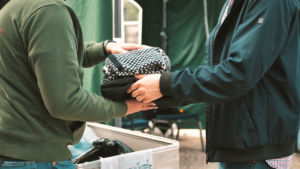
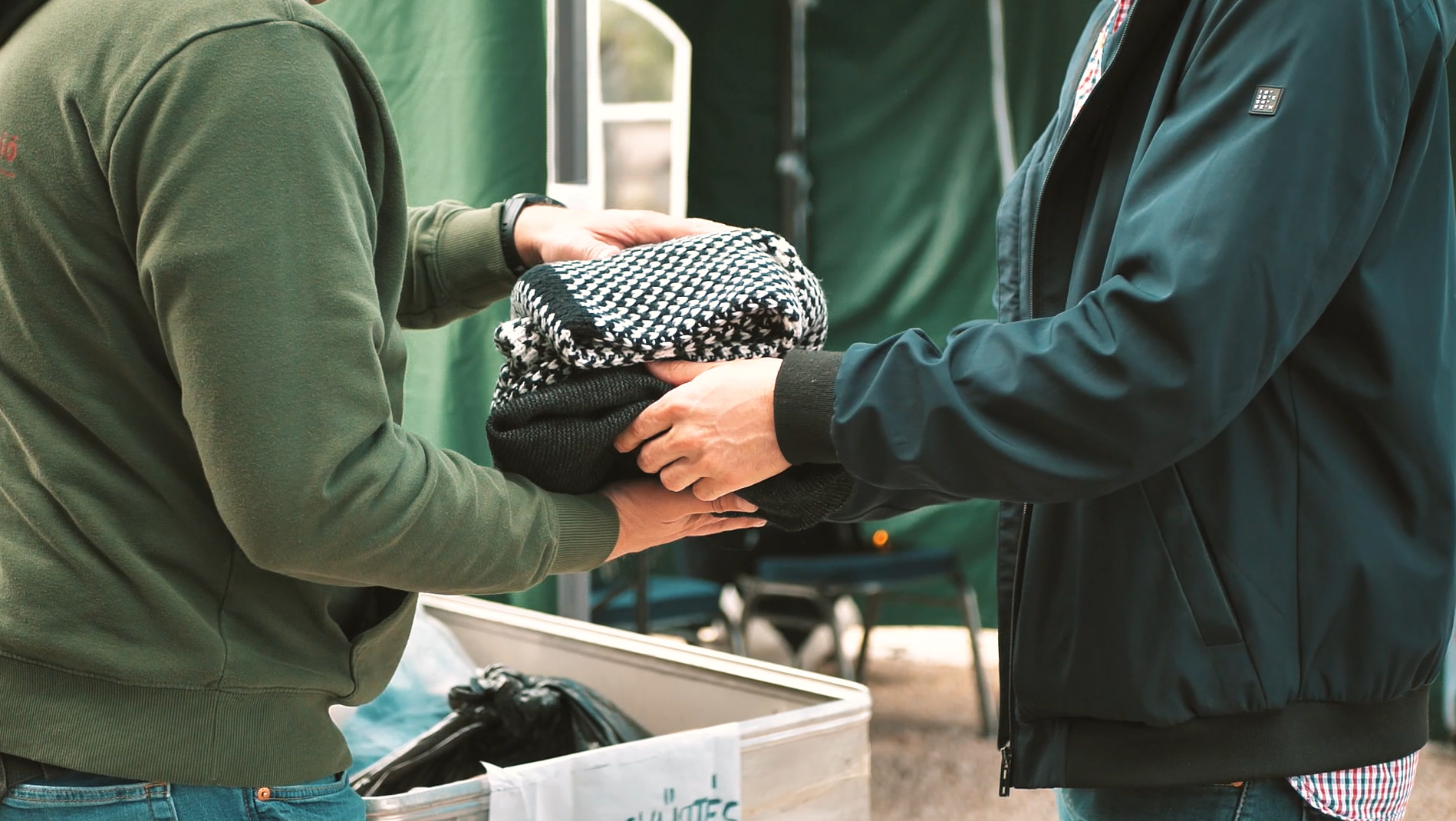
At its most visible level, giving meets urgent needs. Food, clothing, and essential supplies provide stability in moments of crisis. For many families, especially those facing poverty or social exclusion, this support is vital.
However, meaningful impact goes further. Lasting change is not only about what is given, but about how it shapes lives over time.
The Role of Dignity
Effective charitable work recognizes that dignity is essential. The way support is offered can either empower or diminish.
Approaches that allow individuals to make choices, access quality resources, and be treated with respect contribute to restoring confidence and self-worth. In this context, giving becomes not only an act of support, but an investment in human value.
Strengthening Communities
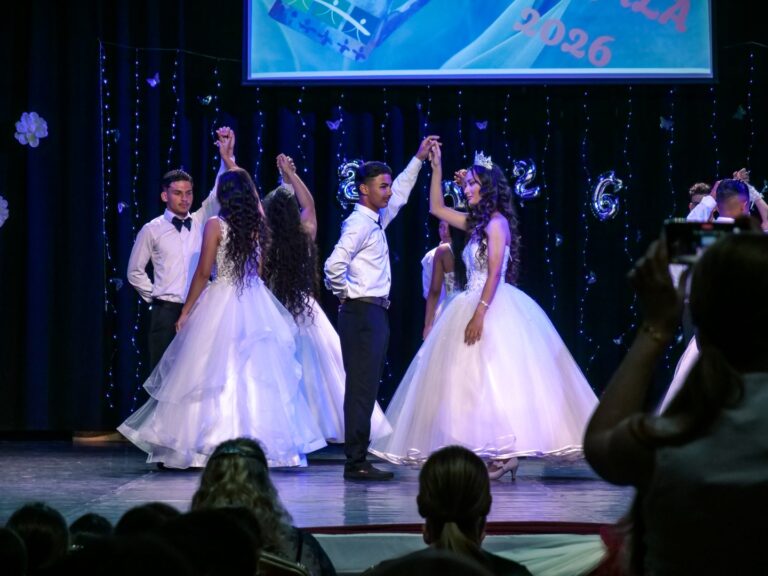
The impact of giving extends beyond individuals. Consistent and thoughtful support contributes to greater stability within families and, over time, to stronger communities.
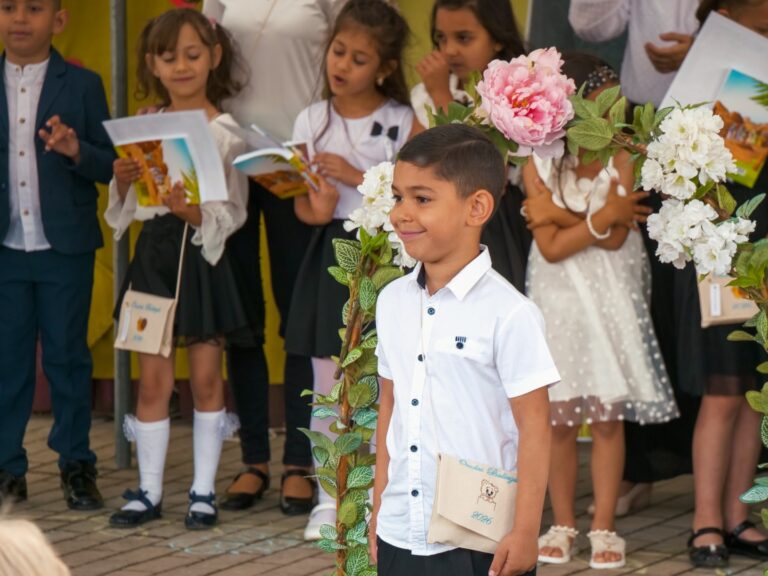
In environments affected by long-term marginalization, this kind of stability is critical. Sustainable approaches that combine practical assistance with presence and continuity help build trust and resilience.
From Transaction to Relationship
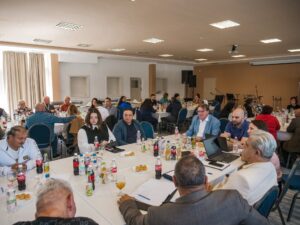
The most meaningful forms of giving are rooted in relationship. Whether through local initiatives, community programs, or faith-based outreach, lasting impact is created when people are not only helped, but also known. When there is continuity, when support is accompanied by presence, and when those who give remain connected to those they serve, the dynamic shifts. Giving becomes less about solving a problem and more about walking alongside people over time.
Multiplying Impact
Another important dimension of charitable giving is its ability to multiply. A single donation rarely stands alone. It can be part of a larger system that redistributes resources, funds additional programs, or enables ongoing support. In some cases, donated items can be repurposed in ways that extend their value far beyond their original use. This kind of model allows generosity to move further, reaching more people and creating sustainable forms of support.
At Hungarian Gypsy Missions, these principles shape the way we serve. Through initiatives such as GypsyAid and the Pepita Donation Center, donations are not only distributed but transformed into long-term support for families and communities. Practical assistance is combined with relationship, dignity, and continuity, ensuring that help leads to lasting impact.
Ultimately, charitable giving reflects a shared responsibility. It is a recognition that communities are interconnected, and that meaningful change requires both compassion and commitment.
The true impact of giving is not measured by numbers alone, but by restored dignity, strengthened communities, and lives shaped over time.